Materials for creative and circular solutions
Design rooted in circularity
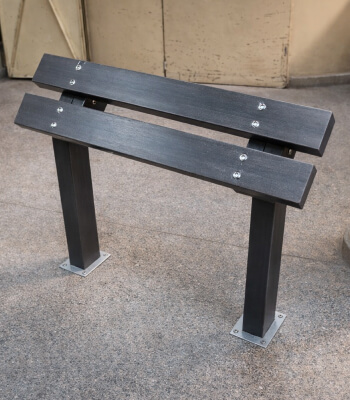
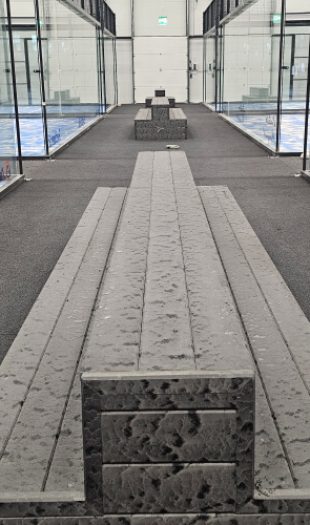
Our material opens up new possibilities in furniture and interiors—where design, function, and circularity go hand in hand. It can be worked like wood, requires minimal maintenance, and provides a robust look for both public and private spaces.
Applications
Where can the material be used?
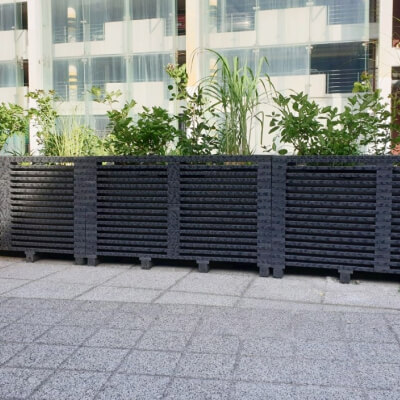
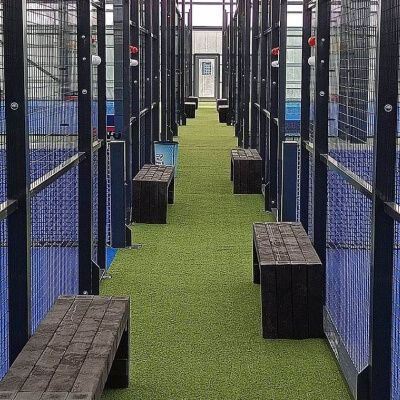
The material can be used in both standard solutions and custom-designed projects. From fixtures and furniture to interior fit-outs in public and private spaces—with a focus on durability, aesthetics, and circularity.


100% recycling
How it is recycled
How textile waste is transformed into robust materials that can be used for long-lasting furniture.
Applications
A material without additives
What is the material made of?
The result is a homogeneous and stable material with a long service life and consistent quality.
How does it differ from wood?
The material requires minimal maintenance, is not affected by moisture in the same way as wood, and has a uniform structure without knots or cracking.
What does it mean for service life and operation?
The combination of stability and resistance provides a long service life and reduces the need for ongoing maintenance—especially in demanding environments.
Recycling
waste-based
Additives
added
FAQ
Frequently asked questions
Here you will find answers to the most common questions about materials for furniture and interiors.
1. Can the material be used for furniture and fixtures?
Yes. The material is suitable for benches, tables, fixtures, and custom-designed solutions. It can be worked like wood and adapted to both standard and project-specific needs.
2. How does the material differ from traditional materials such as wood?
The material is more dimensionally stable and requires minimal maintenance. It is not affected by moisture and temperature fluctuations in the same way as wood and has a uniform structure without knots or cracks.
3. Can the material be used indoors?
Yes. The material can be used both outdoors and indoors and is suitable for fixtures in, for example, offices, institutions, and public spaces where durability and long service life are required.
4. What design possibilities does the material offer?
The material can be cut, milled, and assembled in the same way as wood. This provides great design freedom and makes it possible to develop both simple and more complex solutions.
5. What are the surface and appearance like?
The material has a homogeneous and robust appearance reminiscent of hardwood. It can be used raw or incorporated into design solutions where the visual expression is an active part of the project.
6. How hard-wearing is the material in everyday use?
The material is developed to withstand daily use in both public and private environments. It is resistant to impacts, wear, and loads, and is therefore well suited for high-use fixtures.
7. Does the material require maintenance?
No, only to a very limited extent. The material does not require ongoing treatment like wood and retains its properties over time without special maintenance.
8. Can the material be used in sustainable construction and design projects?
Yes. The material is made from recycled textiles and plastic film and can contribute to projects focused on circularity, resource efficiency, and documentation.
From idea to finished element
Would you like to work with circular materials in furniture and interiors?
Retextil can be involved in the development of furniture, fixtures, and bespoke solutions where the material’s strength, aesthetics, and story are brought into play.
Contact us if you would like to learn more about options, formats, and collaboration.